Garage Doors in Oakville, OntarioA door that liftsthe way it should.
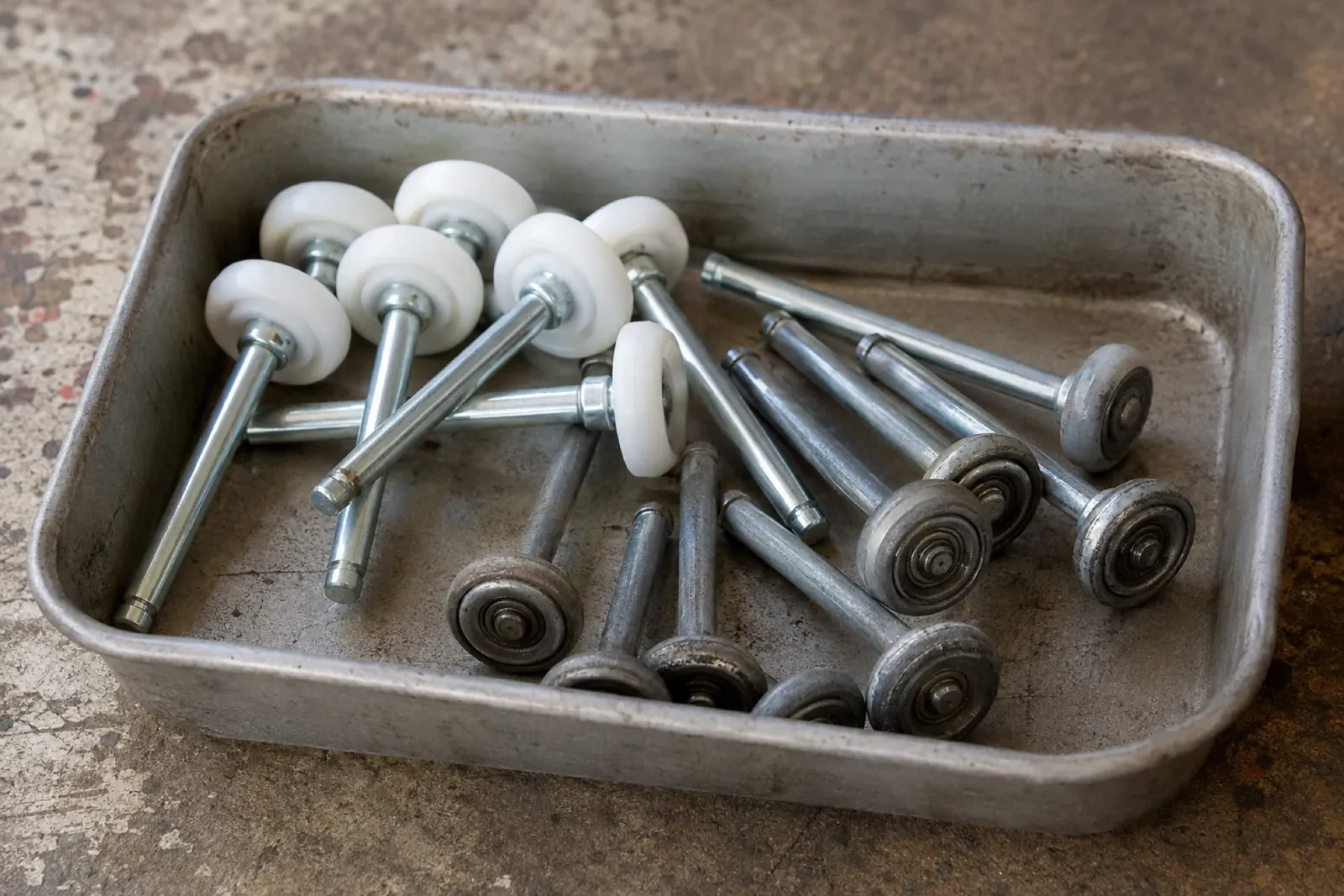
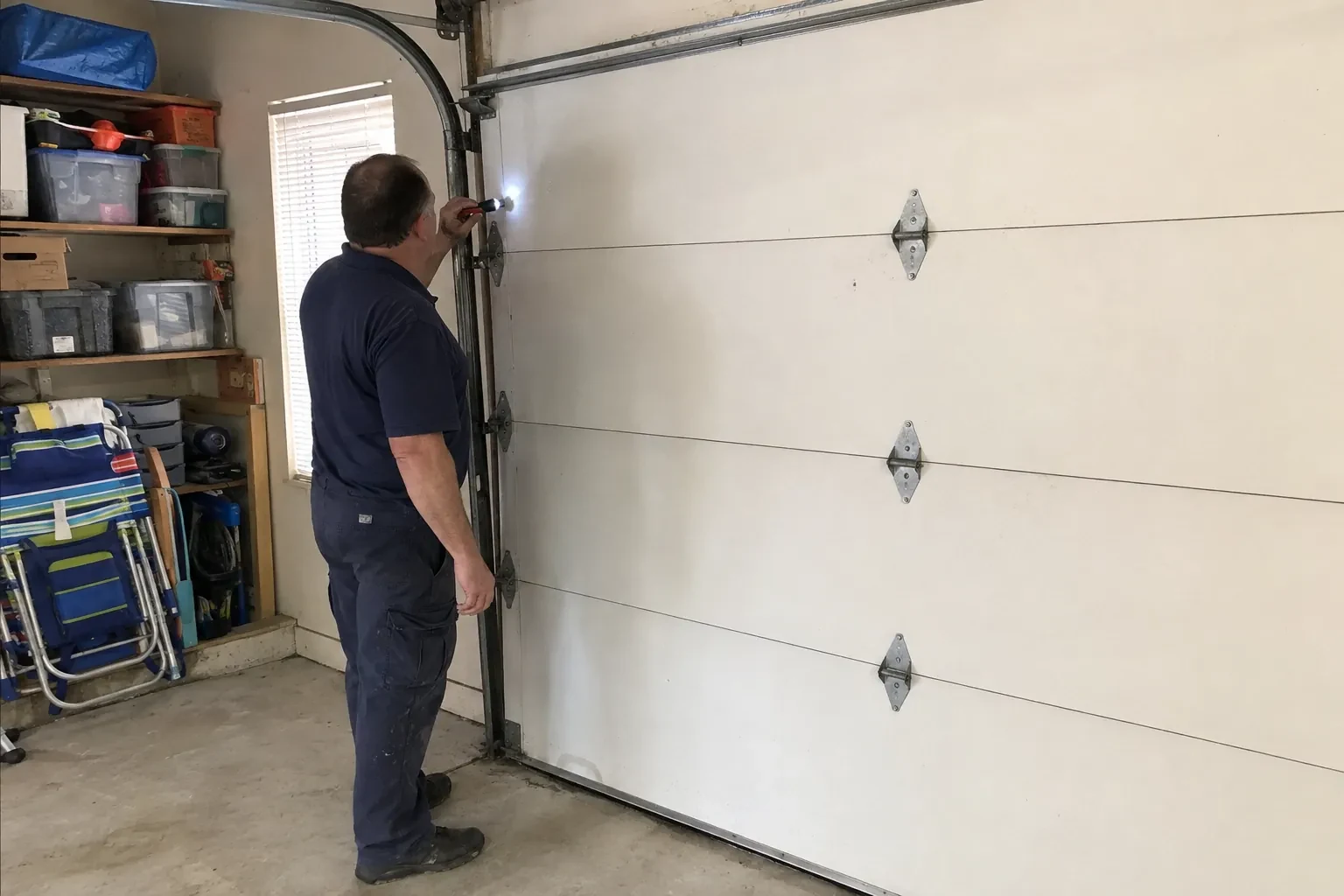
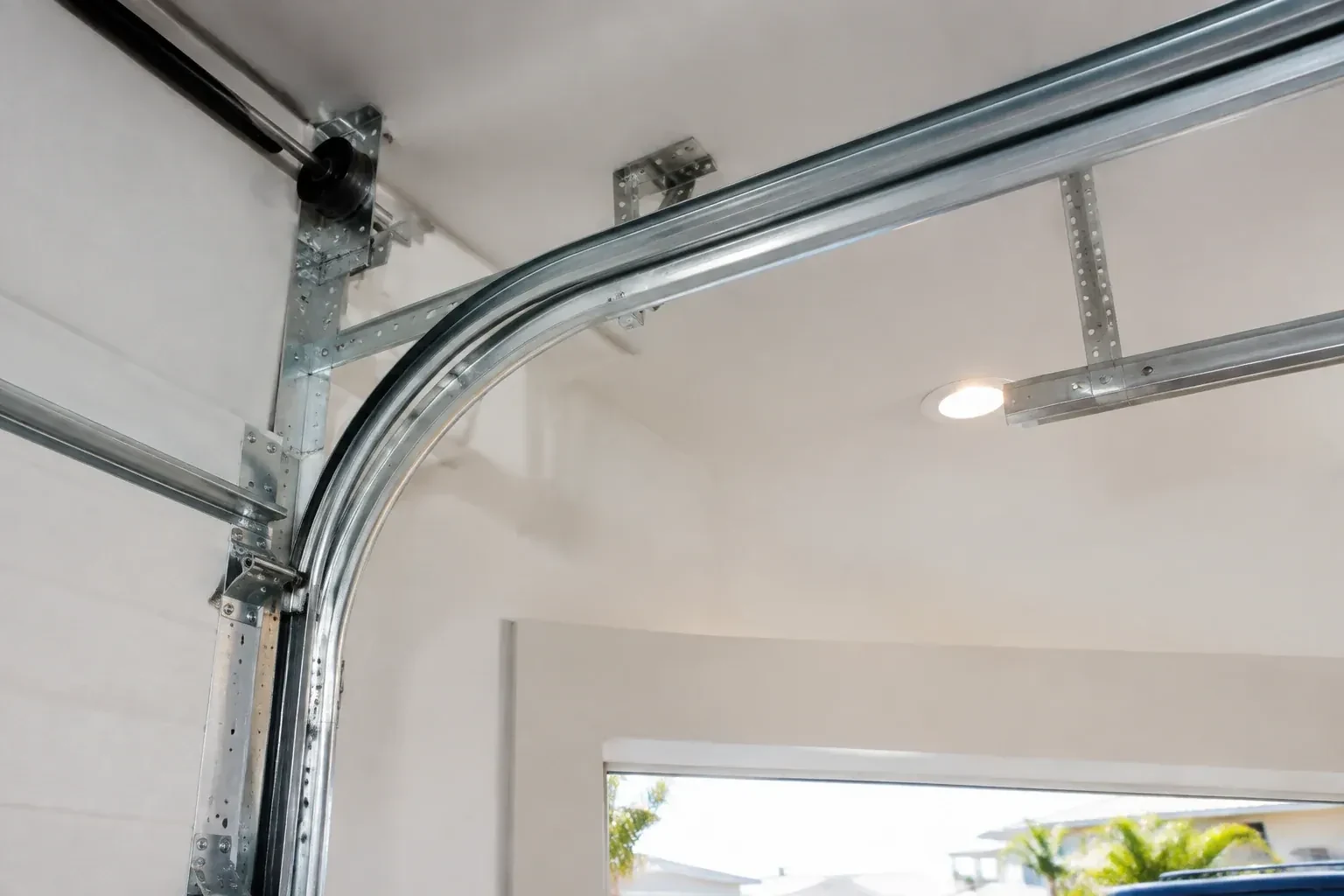
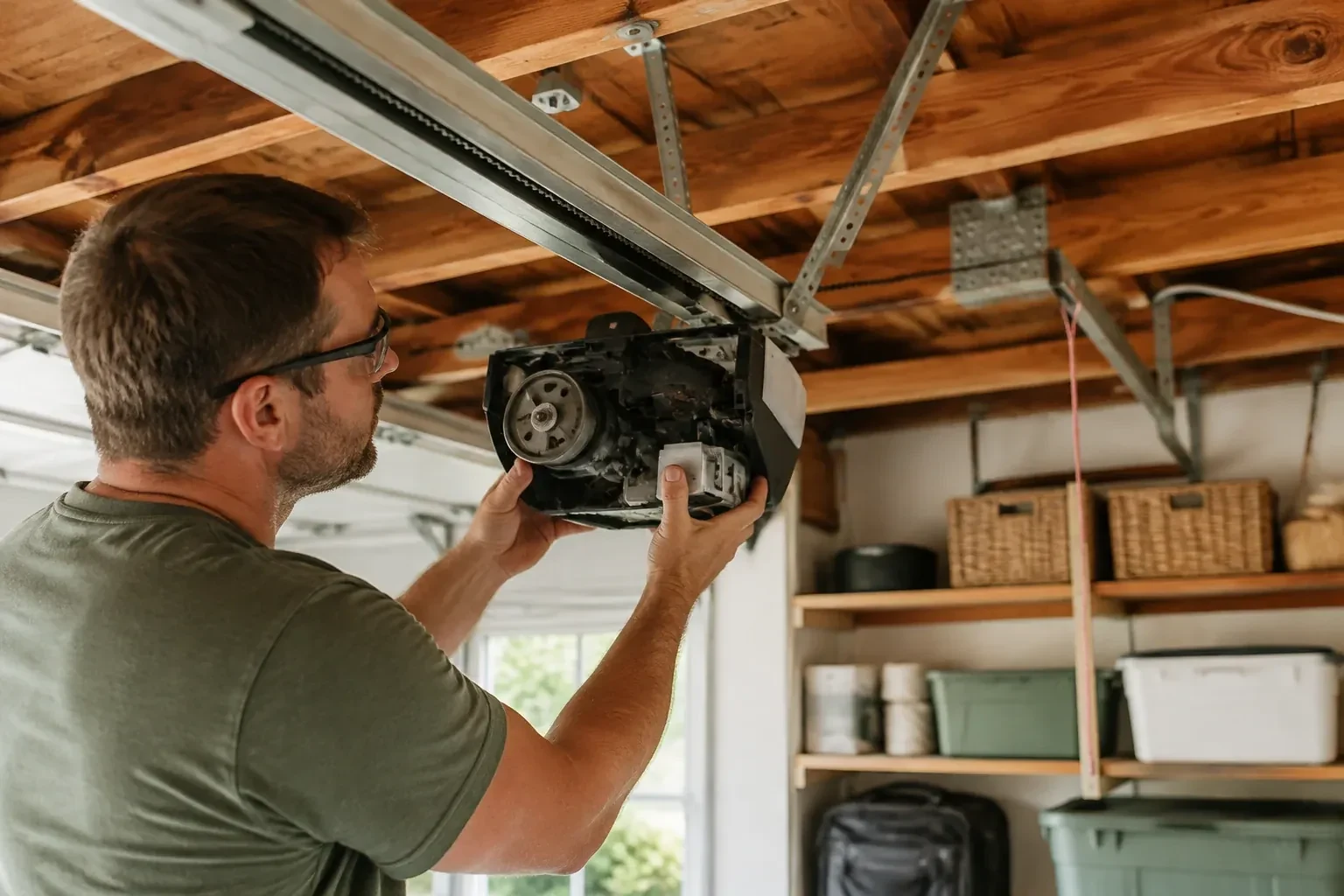
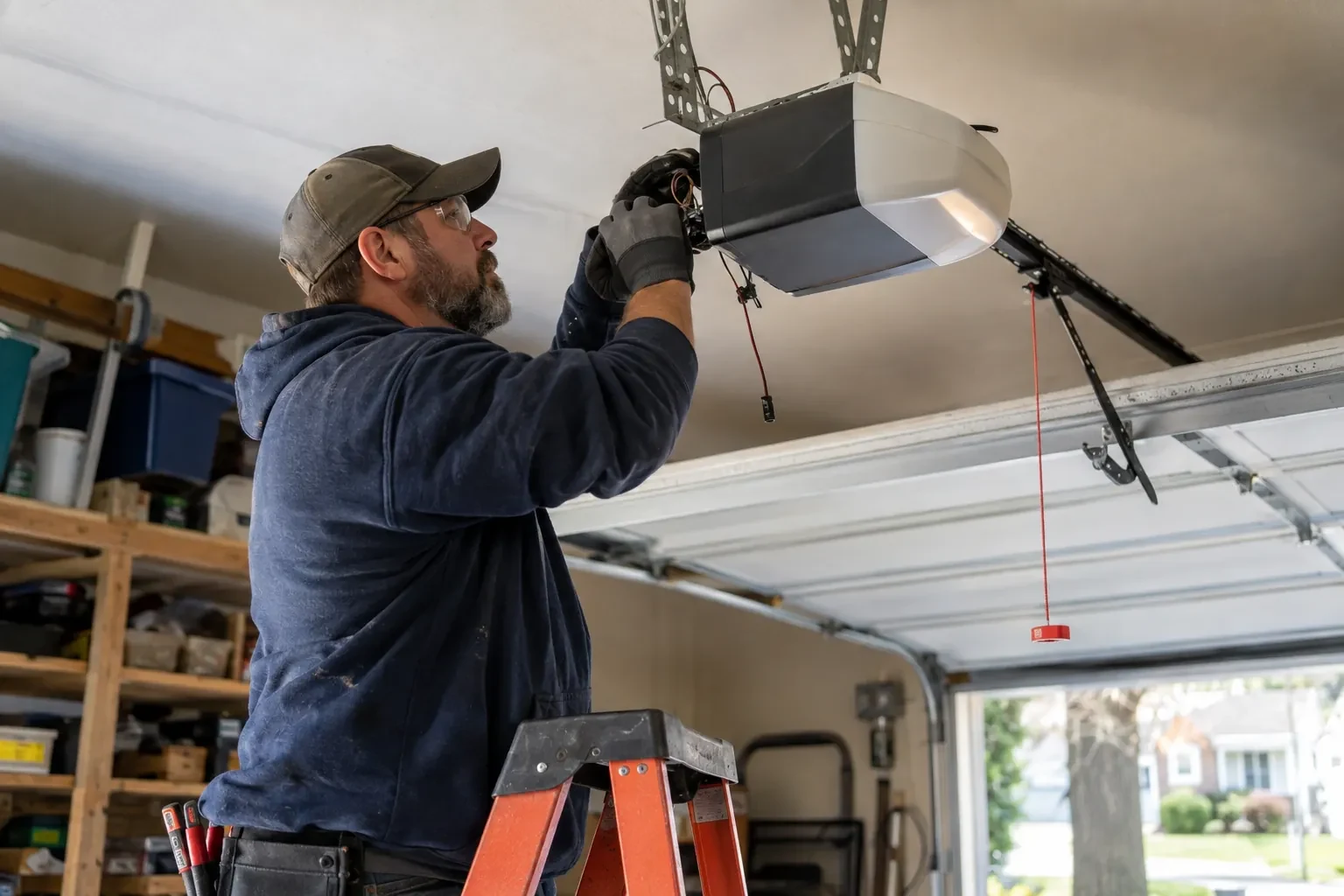
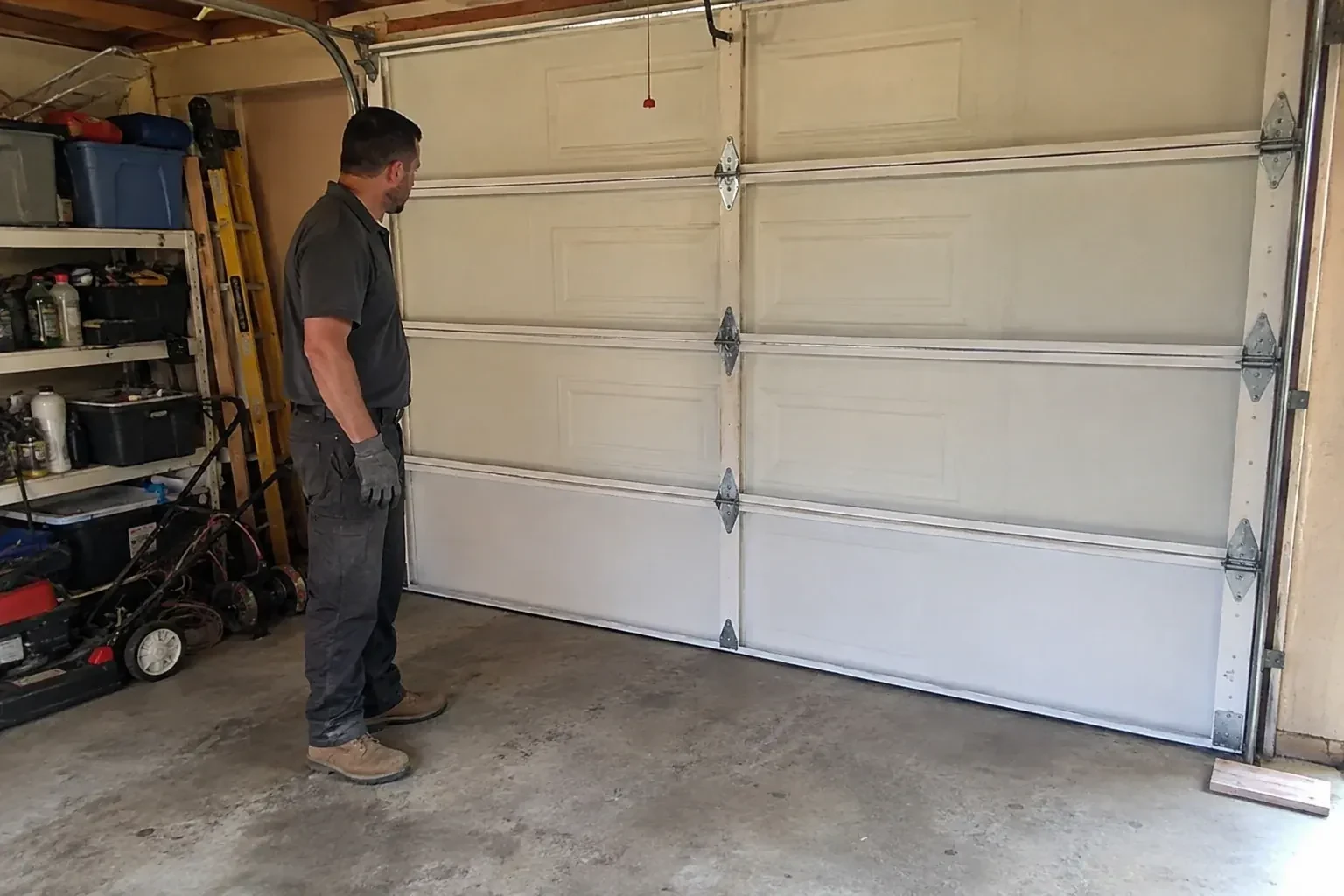
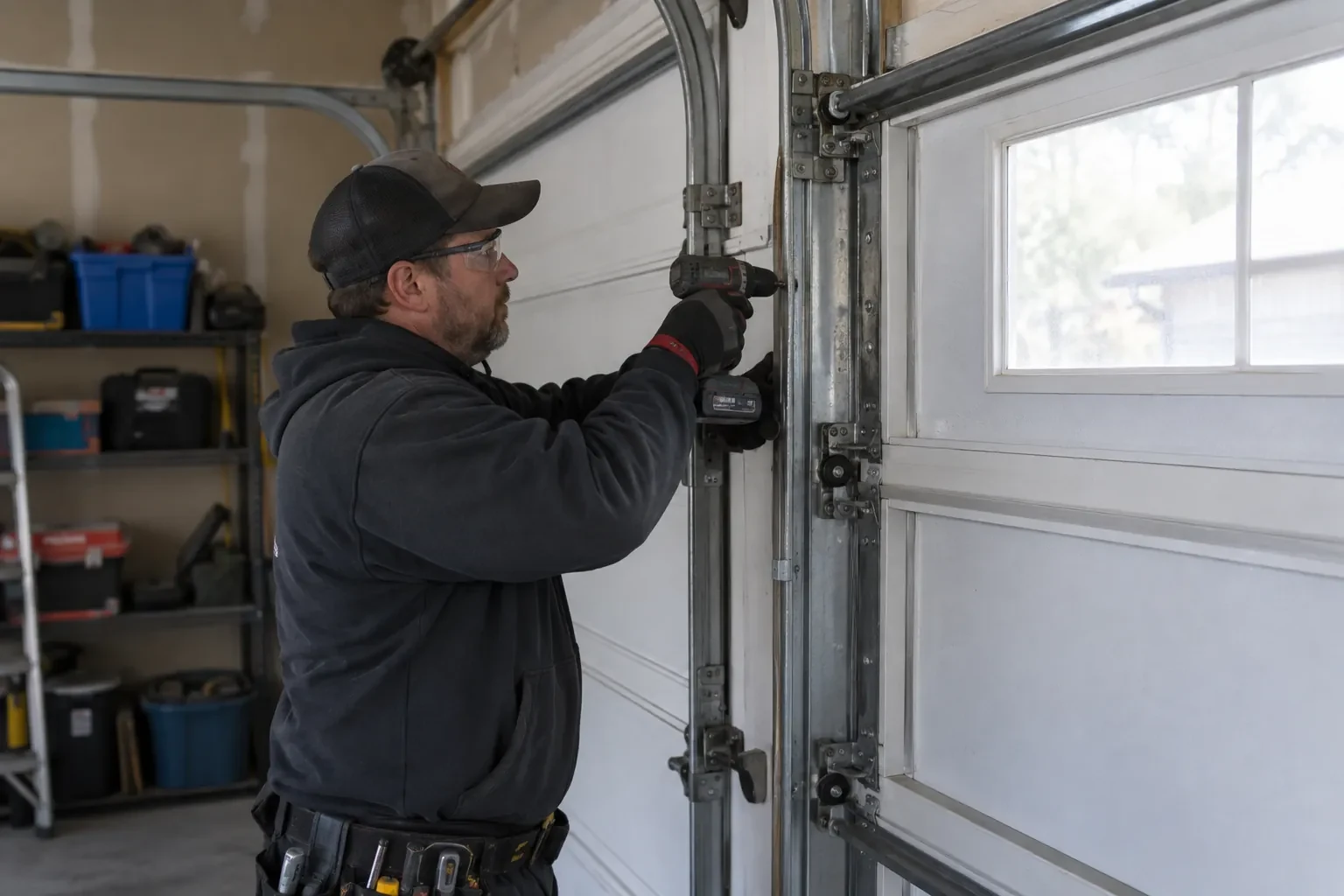
Homes in Oakville rely on the garage door more than any other entrance, and when it hesitates, grinds or stops halfway, the whole morning slows down. We look over the springs, cables, rollers and opener together, explain what has worn in plain words, and leave the door running the way it did when it was new. Calls from Palermo are covered too.
Homes in Oakville rely on the garage door more than any other entrance, and when it hesitates, grinds or stops halfway, the whole morning slows down. We look over the springs, cables, rollers and opener together, explain what has worn in plain words, and leave the door running the way it did when it was new. Calls from Palermo are covered too.
Solid doors for hard-working garages.
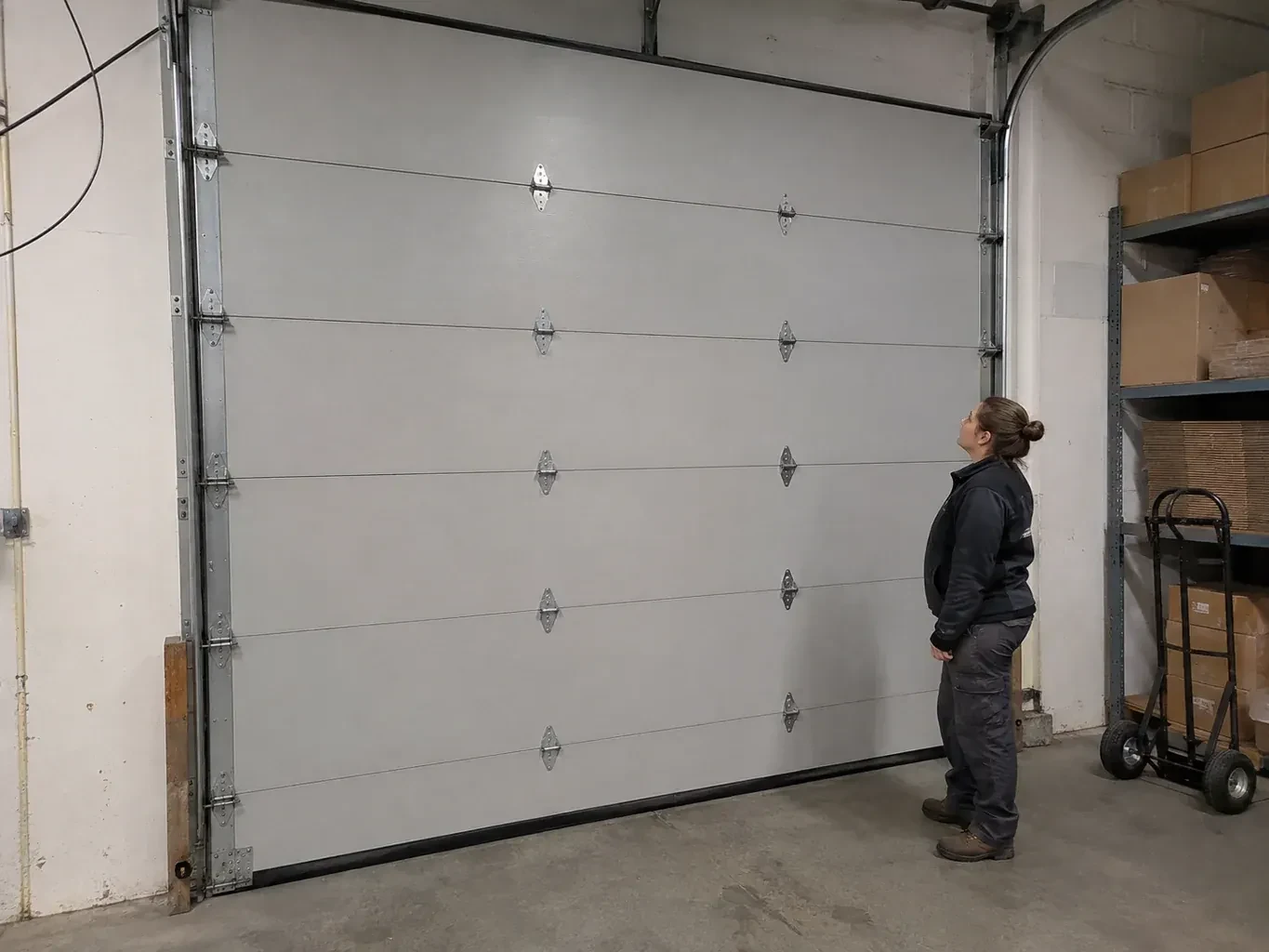
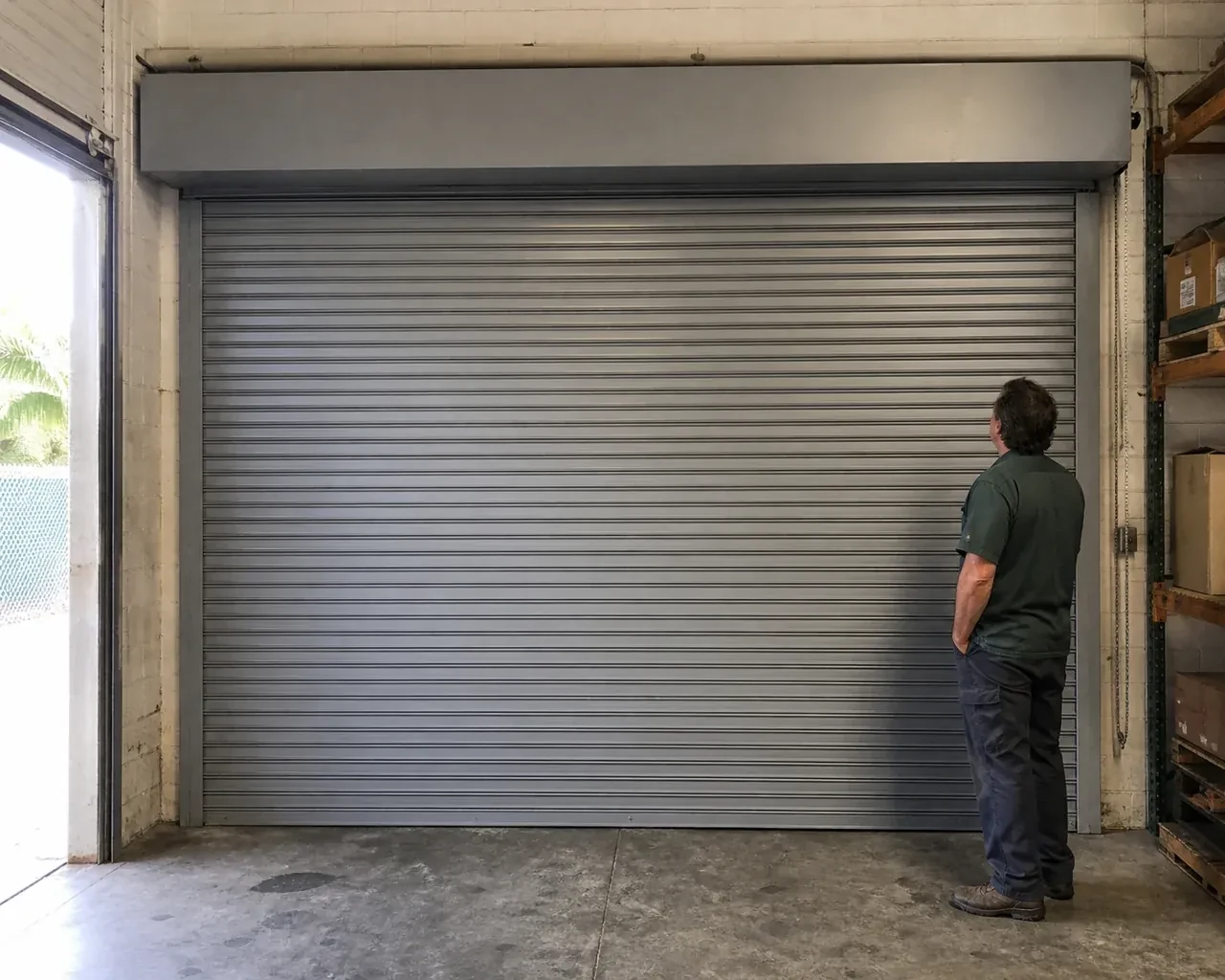
Businesses in Oakville get the same technicians as households, with a schedule built around the hours the door has to be open. We arrive with commercial springs and operator parts, do the noisy work when it disturbs the fewest people, and leave a written note of what was done and what to watch for.
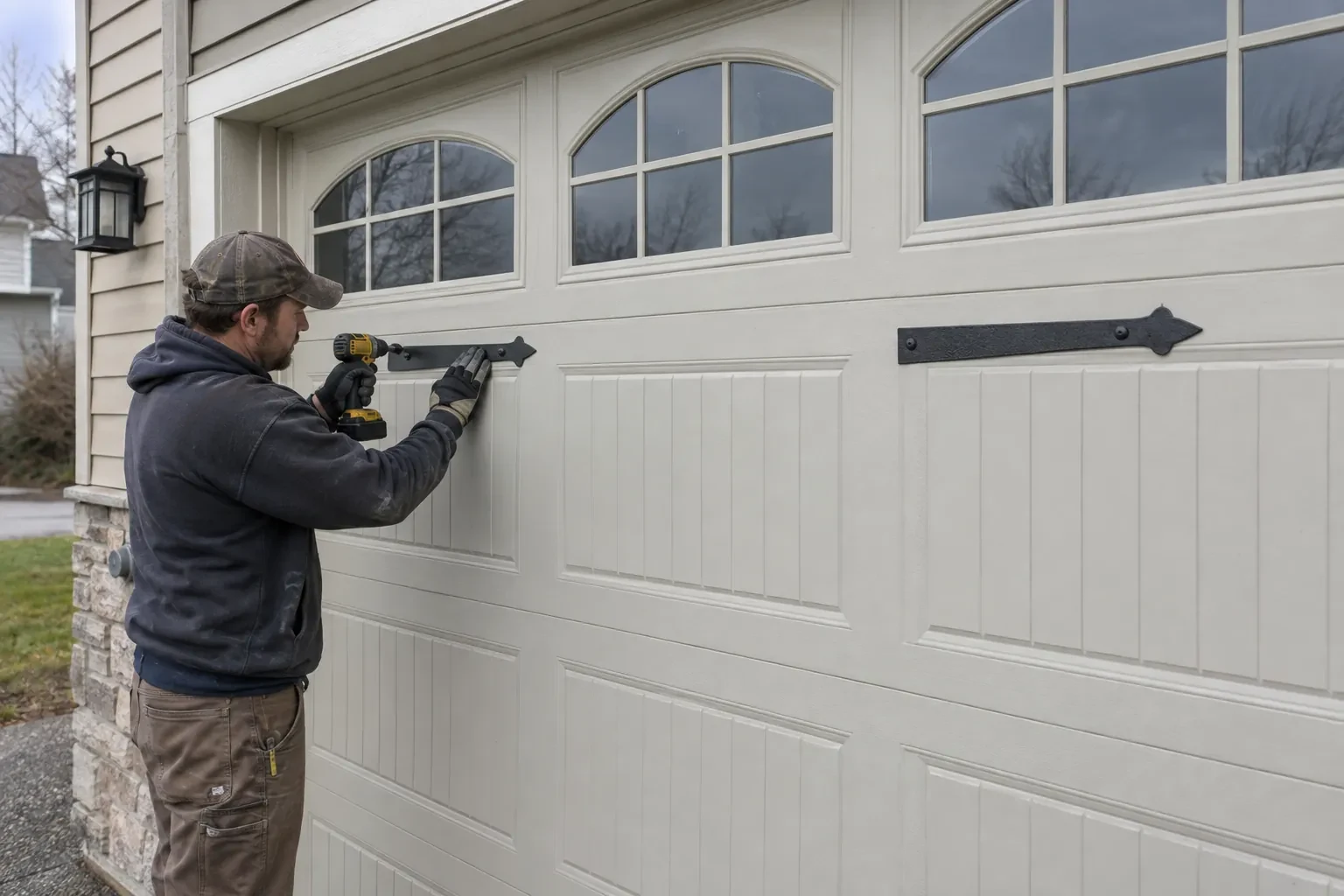
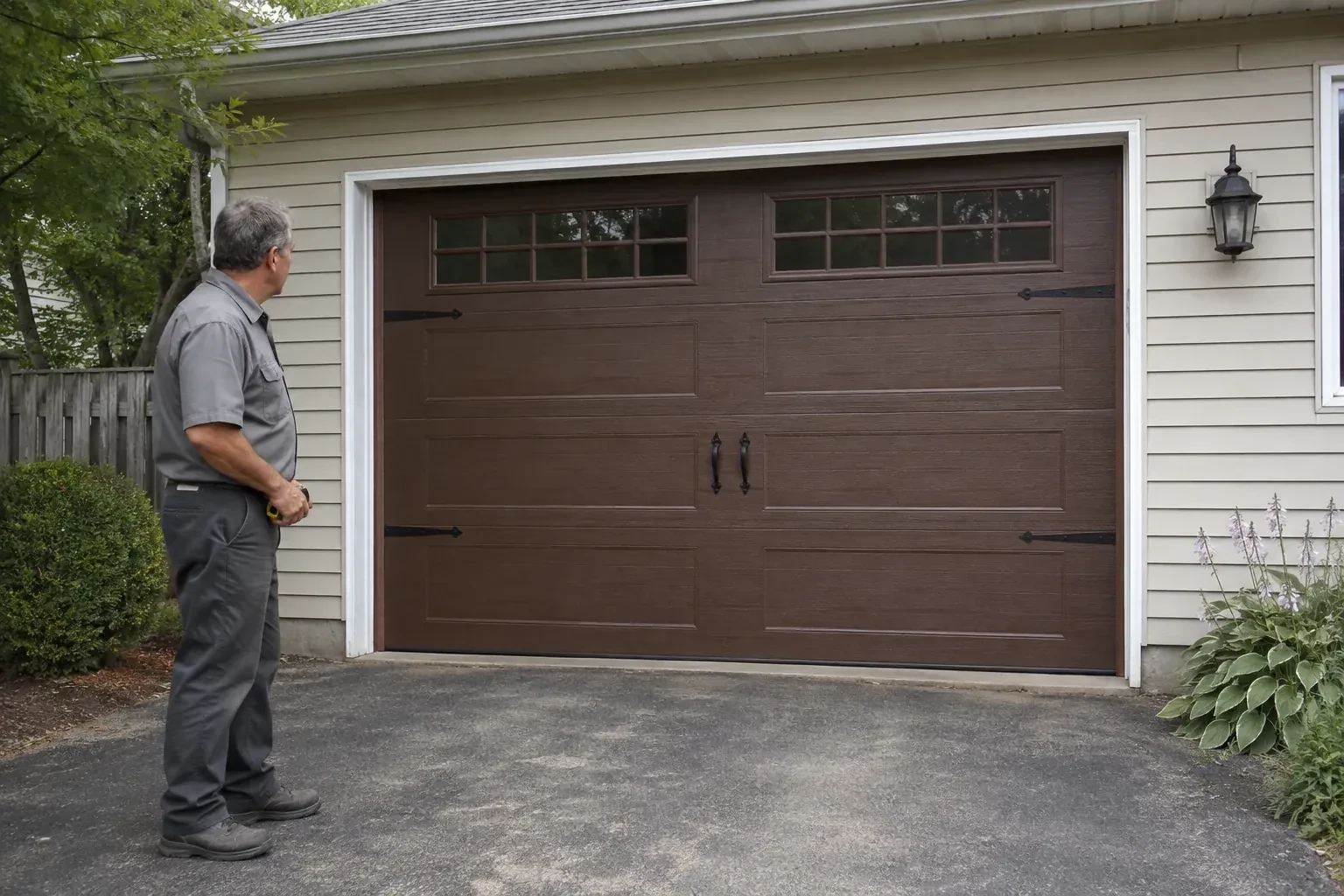
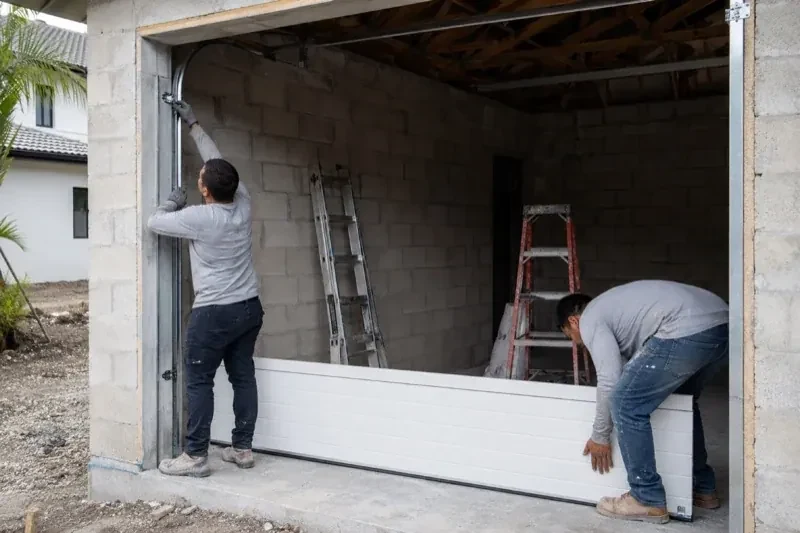
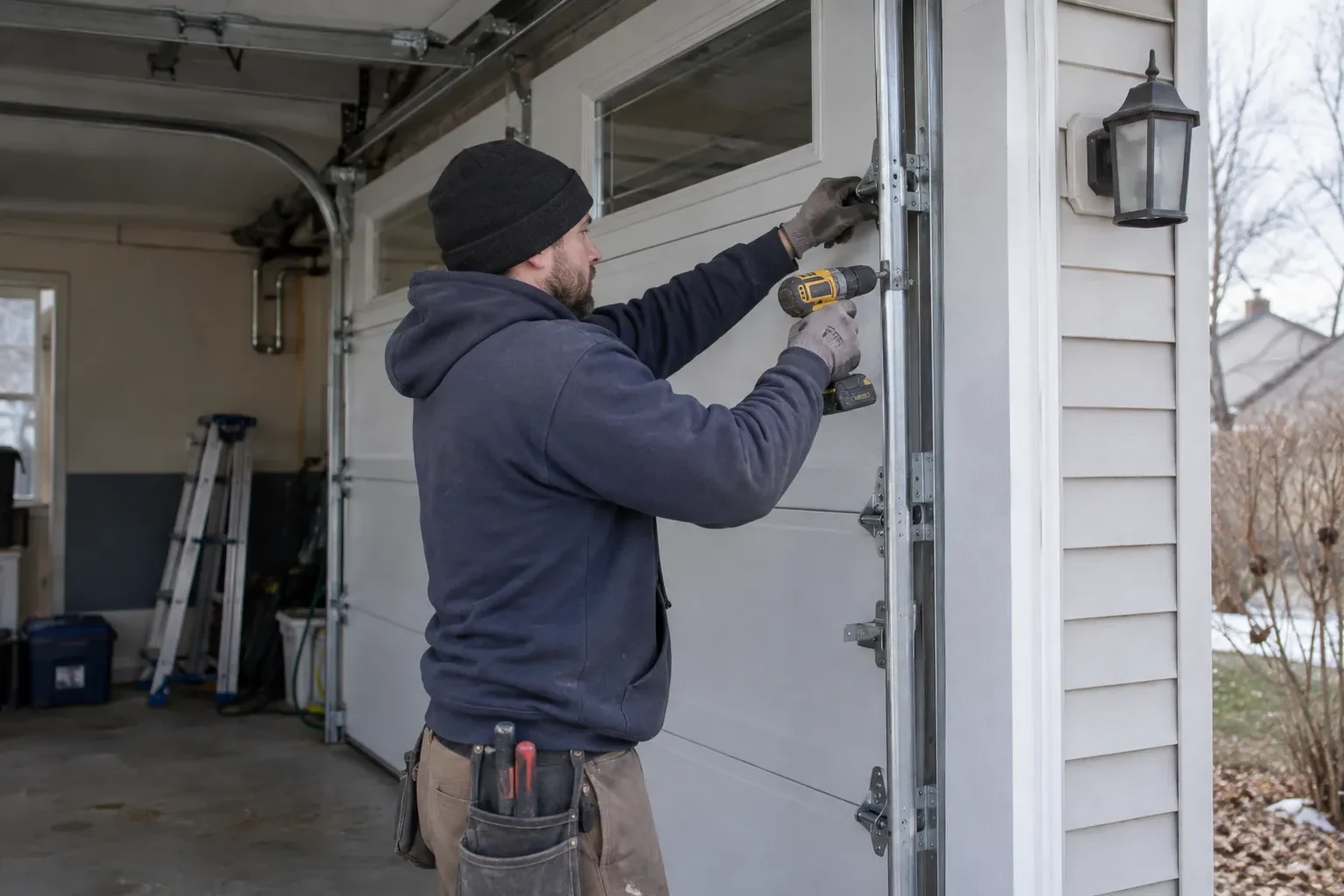
New builds and renovations in Oakville often need a garage door that suits the house as well as the garage. We measure the opening, check headroom and framing, and bring samples of insulated steel, carriage-house and full-view glass designs. The door is installed with care, balanced properly and set up with an opener that matches its weight and use.
16years in business
24/7open every day
Explanation before action. You will know what is worn, why it failed and what the options are before a single bolt is turned. Questions are welcome at every step.
A tidy garage. Drop cloths where needed, old parts bagged, floor swept. We leave the space as we found it, only with a working door.
Choices, not pressure. If a repair will do, we say so. If a replacement makes more sense, we explain why and let you decide.
Garage doors in Oakville go through the same cycle: hardware wears, springs tire, openers age, and eventually the door itself is due. We offer a service for each stage, so you can maintain what you have, repair what has failed, or replace the door when that is the sensible choice.
About 27% of homes in Oakville were built in 1980 or earlier, according to the 2021 Census.
Newer homes
Where houses are newer, driveways slope up to the door and the apron is smooth, so the bottom seal usually meets the floor evenly. Seal work here is more about replacing a section cracked by winter salt than about closing a gap, and it is a small, worthwhile job.
Single-detached houses make up about 59% of homes in Oakville (2021 Census).
Where houses and attached homes sit together, the shared garage door on a small condo building may be a commercial operator on a heavy door, while the house next door runs a light residential unit. We service both types and carry parts for each.
Every mild afternoon the snow melts off the car, runs to the door, and by morning the rubber strip along the bottom is frozen to the concrete. Last week the opener lifted the door and left half the seal on the floor.
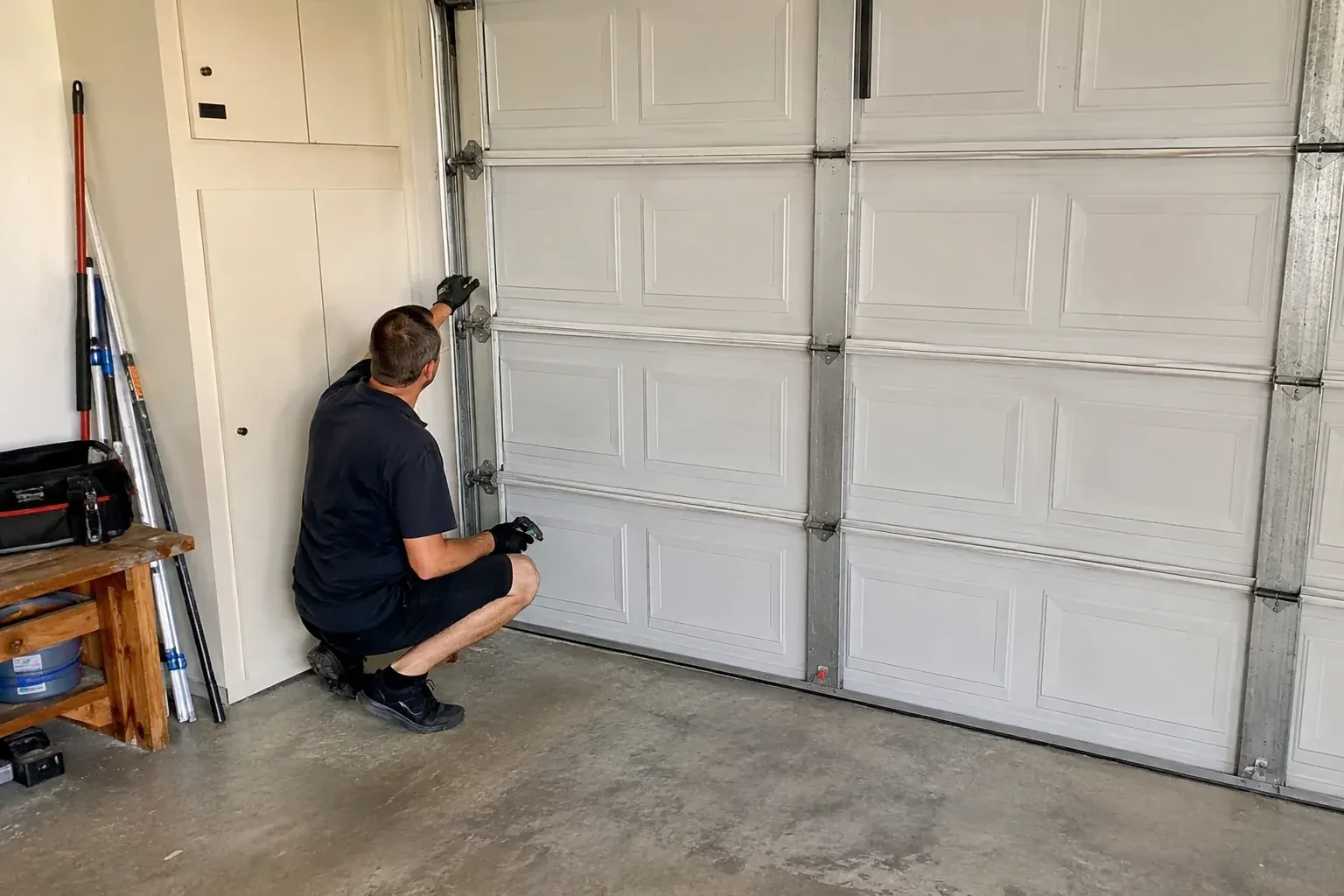
The door climbs crooked, one side clearly ahead of the other. Nothing looks broken, but the two tracks sit different distances from the door, and one leans in toward the opening near the top.
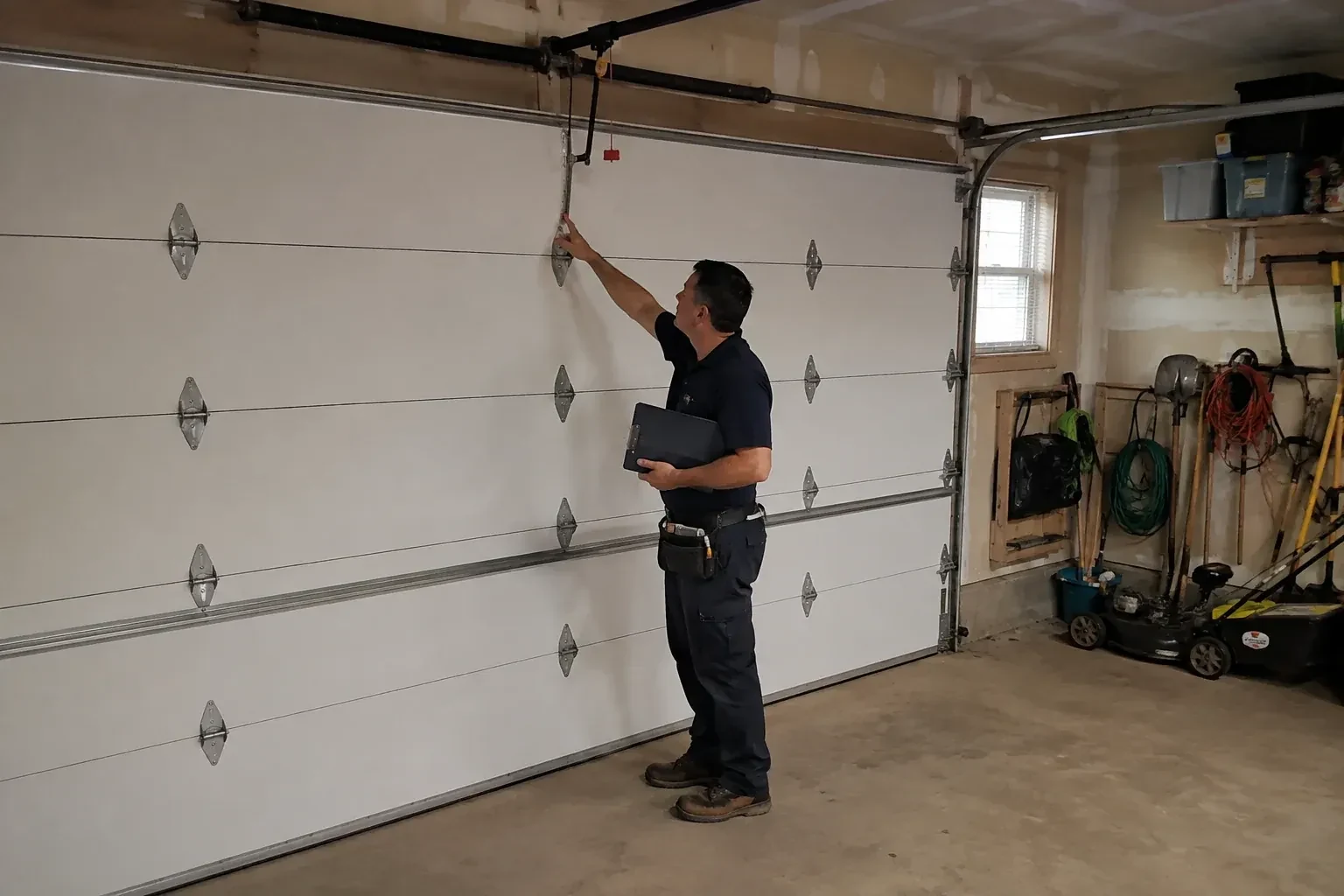
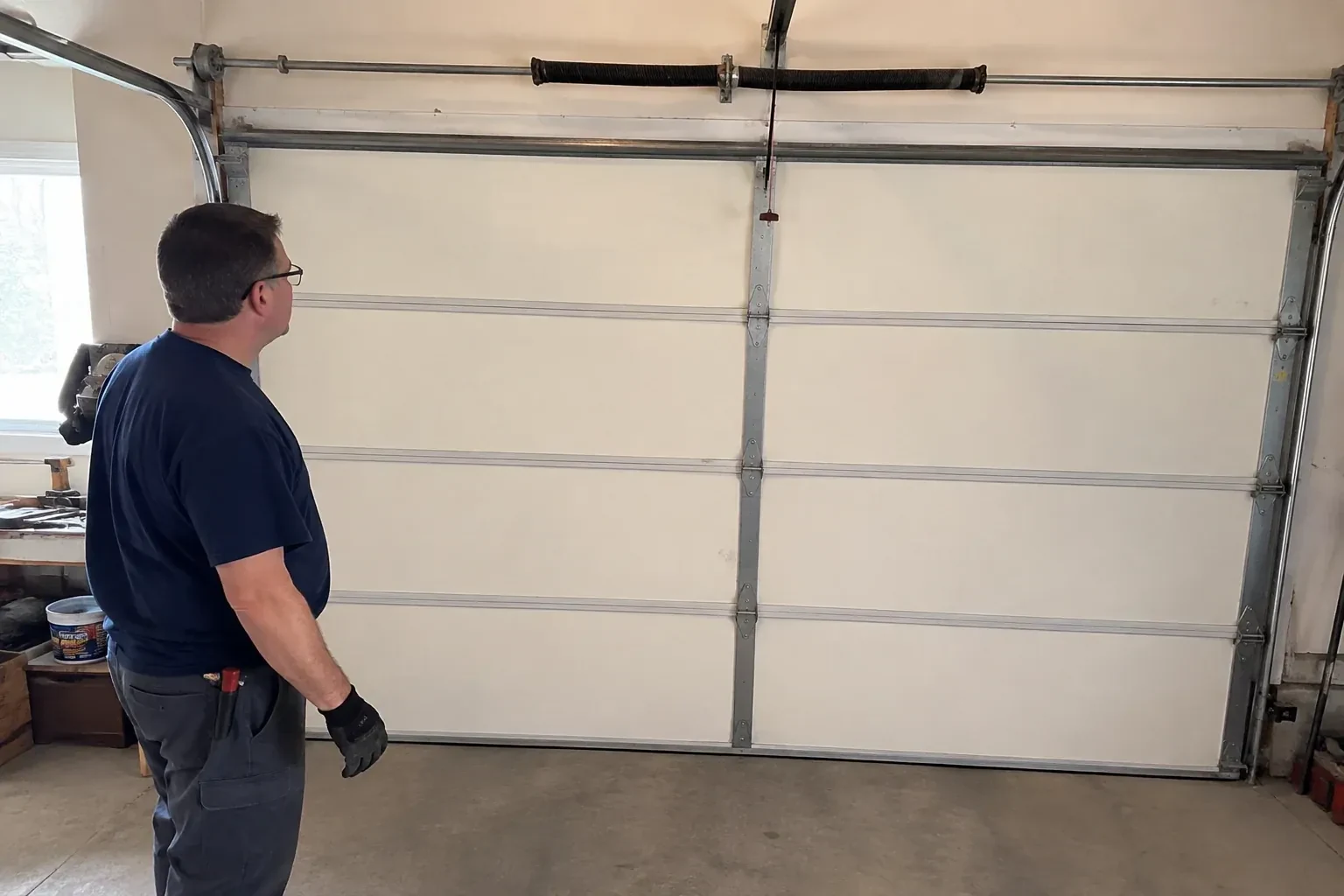
The door drops the last stretch to the floor rather than settling, and when you stop it halfway by hand it slides down instead of staying put. Balance has drifted, and the spring is no longer holding its share of the weight.
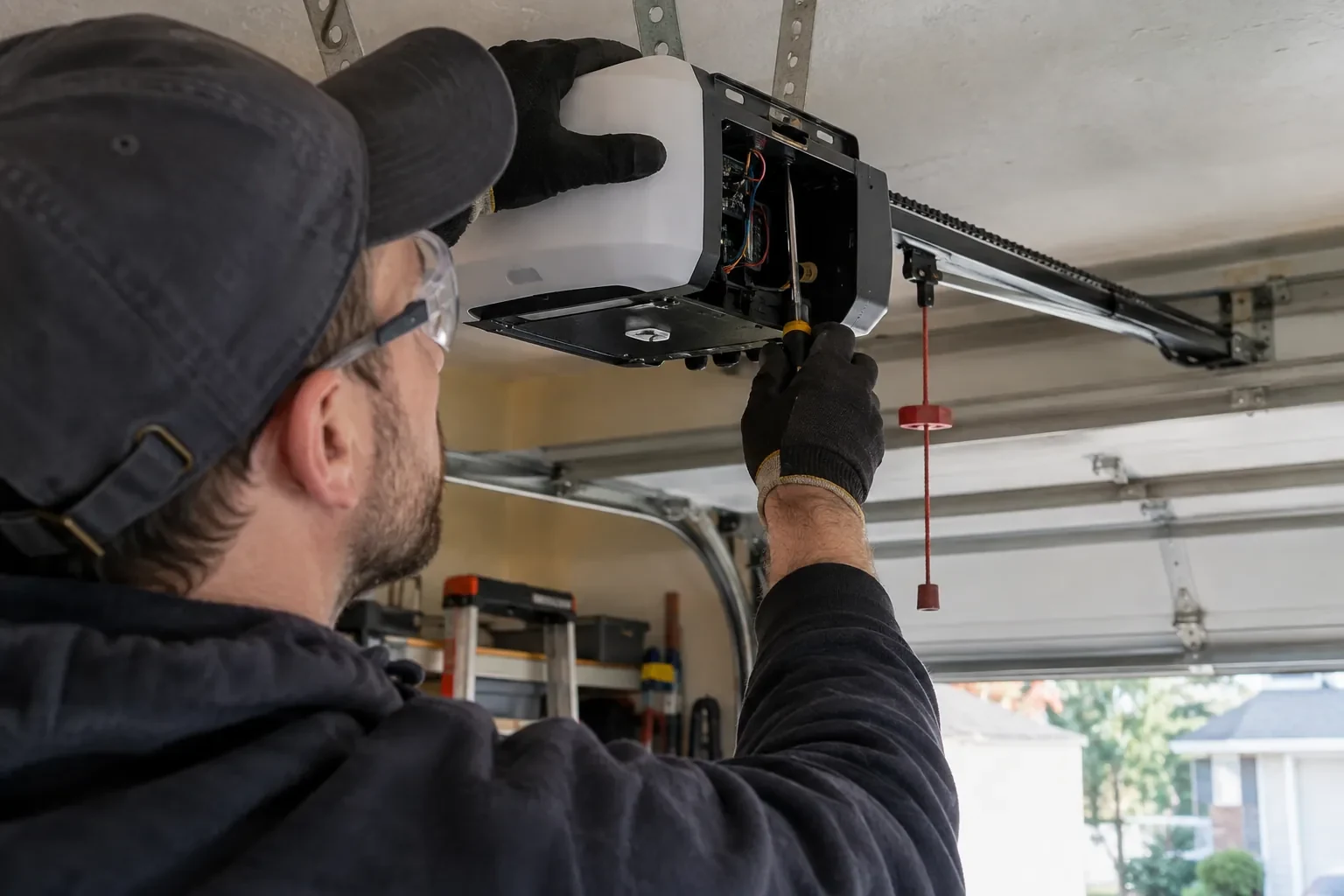
Someone tightened the belt last month to stop the sag. Now the opener sounds like a chain drive, the motor labours on the way up, and the whole rail vibrates under the ceiling.
It is February. You come down in the morning and the garage door has stood open all night; the car is frosted inside, the furnace has run without a pause, and the pipe in the shared wall is your first worry. Nobody knew, because nothing told anyone.
The garage becomes notably colder each winter, with drafts around the perimeter and condensation on thin door sections. You want a replacement selected for better sealing and insulation as part of a more comfortable space.
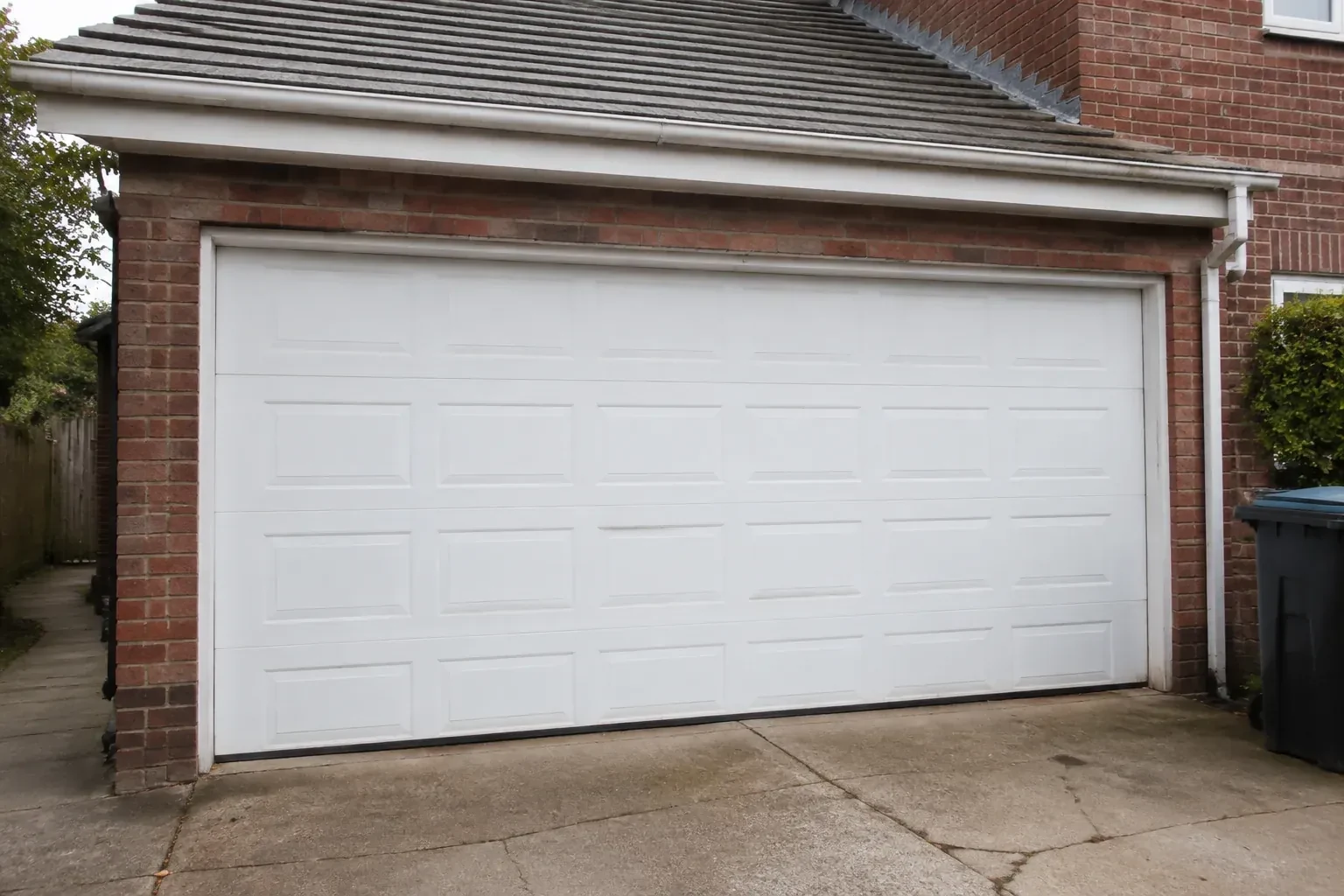
Your garage door works, yet its broad plain panels feel disconnected from the brick, gables and entry details around them. You want the opening to contribute the warmth and character of the home's exterior.
This garage will be heated and used beyond parking, so the opening needs more than a basic closure. Insulated sections, perimeter seals and careful contact at the finished floor matter from the first installation.
A forklift clipped the bottom panel while backing through the bay. The section is creased near an end stile, the lower roller rubs the track, and daylight now shows along one corner when the door closes.
A lift truck clipped the lower curtain during unloading. Now two slats are bowed, an endlock catches halfway up, and each attempt to cycle the door pulls the damaged section farther toward one guide.
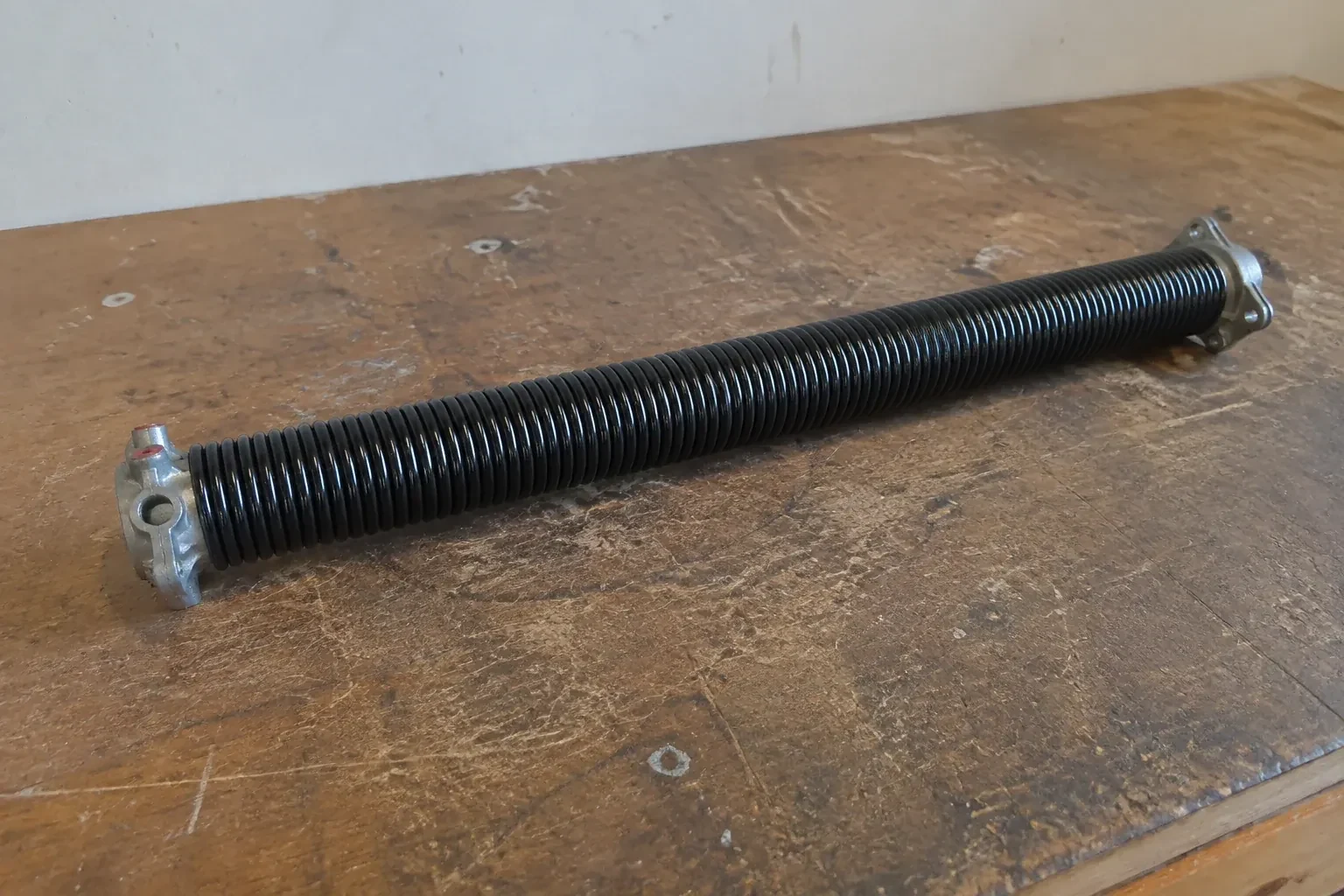
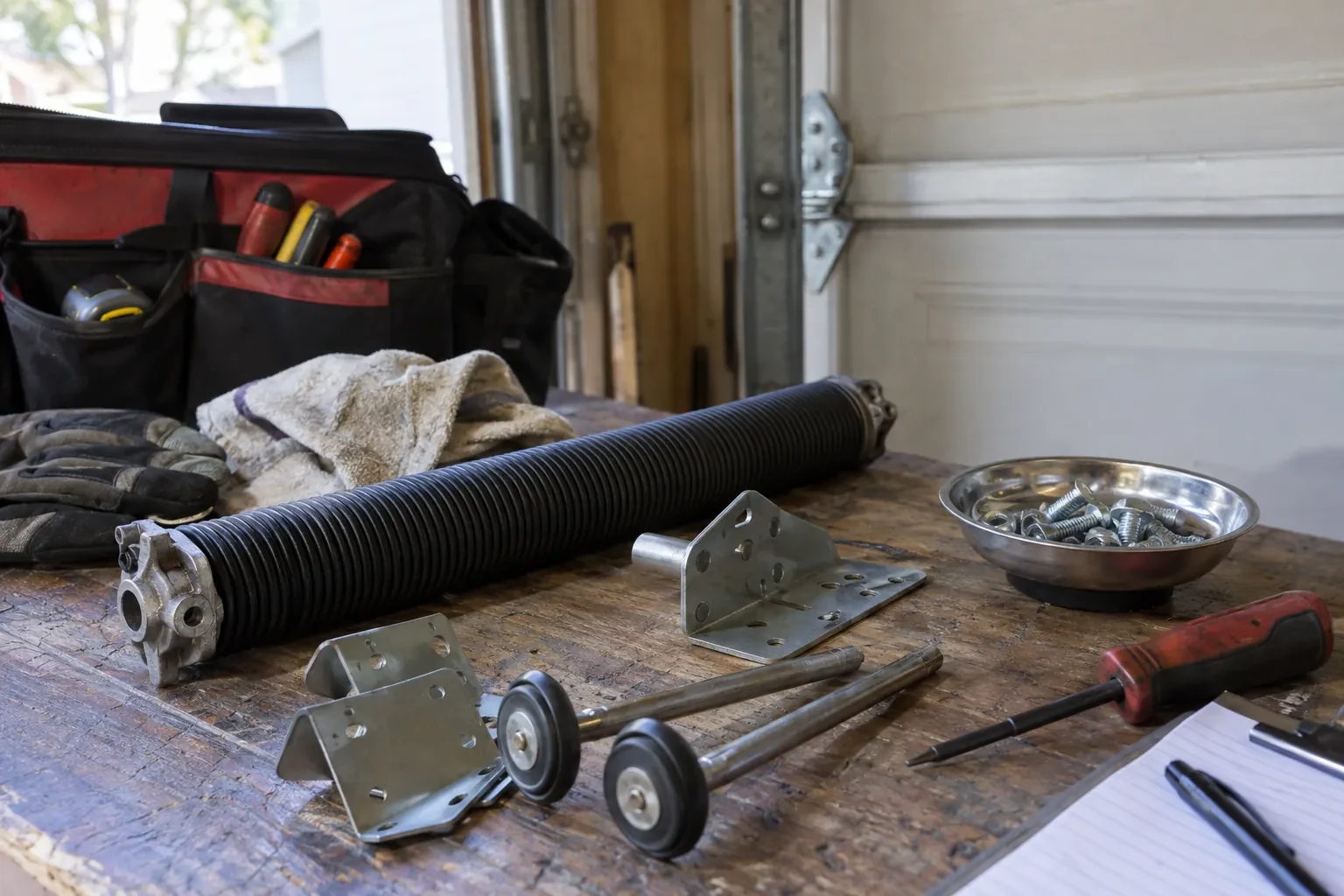
Two springs on one shaft usually age together. When one breaks the other is not far behind, which is why we talk about replacing both at the same time and setting them to the door's actual weight.
Every morning the door announces itself: a rattle on the way up, a grinding squeal on the way down, loud enough that the neighbours know when you leave.
A new door starts with a tape measure. Width, height, headroom, sideroom and the depth of the garage all decide what will fit and how it will run. From there we help you choose the door and we install it with matching hardware.
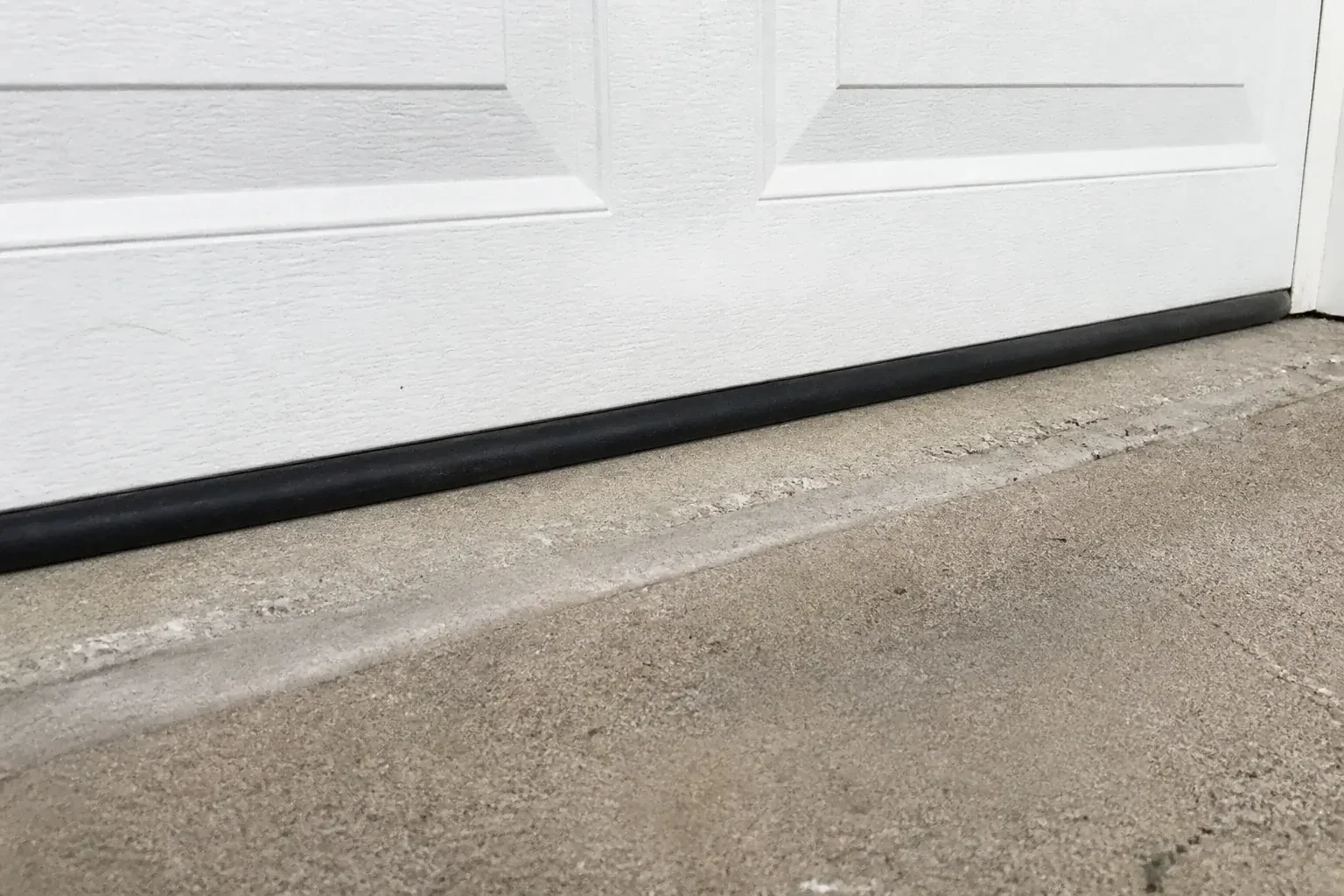
WhyThe bottom seal, called an astragal in the trade, is the flexible strip along the underside of the lowest door section that squashes against the floor when the door closes.
The door climbs crooked, one side clearly ahead of the other.
The seal looks fine, so why is there still daylight under the door?
A seal can look intact and still have taken a permanent set, so the bulb no longer springs up to fill the gap. Otherwise the gap belongs to something else: a door hanging out of level, a bowed bottom section, a floor that has settled at one end, or an opener down limit set so the door stops short. The first look during the visit sorts these apart so the fix goes to the right place.
Why does the door catch at the same spot every trip?
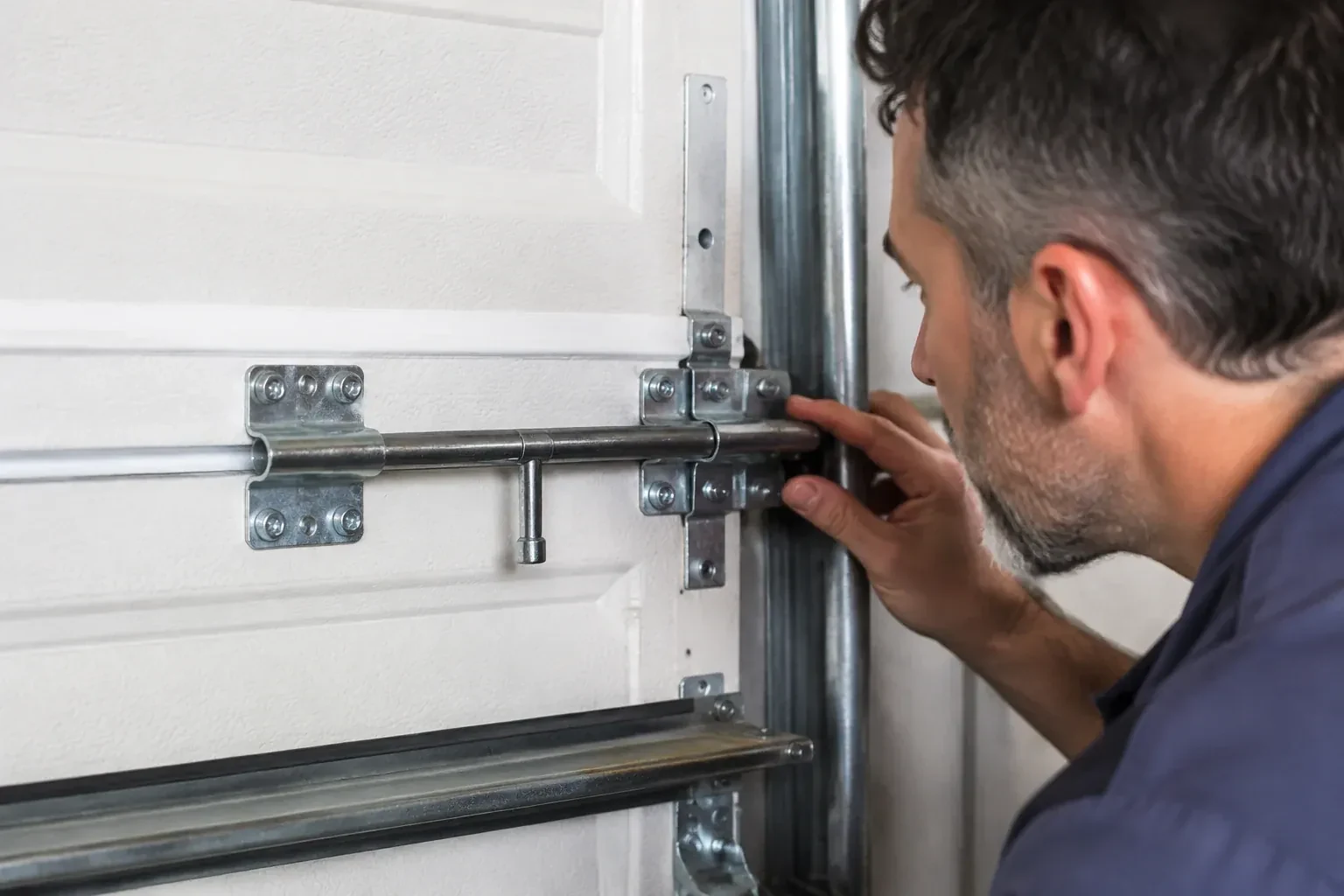
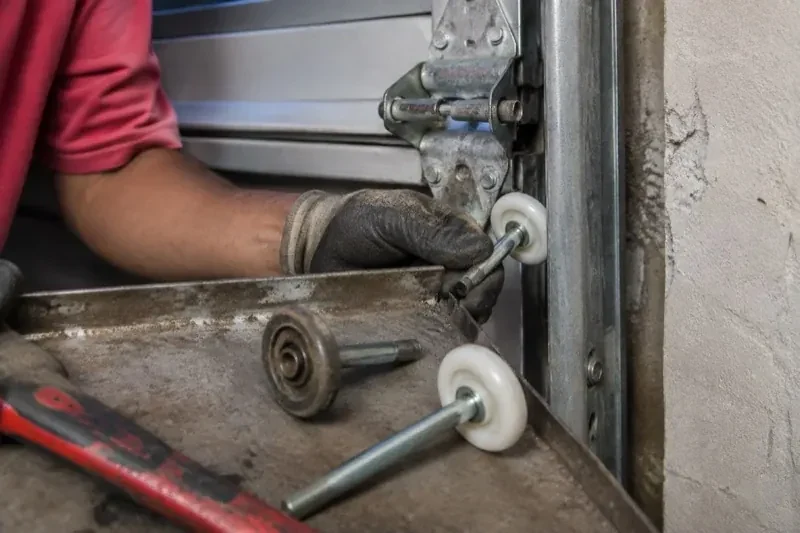
A catch that repeats in one place is the signature of a local track fault: a dent, a spread section, a step at a joint, or a bracket that has let the track drift. Each roller reaches the flaw at the same point in the travel and bumps over it. The technician finds the spot by running a roller through the channel by hand, then dresses or replaces that length and checks the rest of the run for the same problem.
Does the opener need adjusting after the spring is replaced?
Usually a little. A balanced door presents a much lighter load than a door with a broken spring, so the opener's force settings are reset to suit it, and the travel limits are checked so the door seals at the floor and stops cleanly at the top. The technician then runs the reversal test and the photo-eye check to confirm the safety system responds correctly with the new balance.
What should I do in the garage before the technician arrives?
Park the cars outside and leave the floor beneath the rail and the door's path open so a stepladder can be set at either end. Lift bicycles and boxes off hooks near the rail. Keep the remotes and wall control within reach and know where the operator plugs in. If the door is stuck closed with a car inside, mention it when booking.
Do you need my Wi-Fi password?
No. The technician will ask you to type it into the app yourself at the right moment and will look away while you do. The same goes for the account password and any verification code. The technician needs to see that the hub has joined and that commands work, not the credentials that made it happen. If you do not know your network password, find it before the visit; it is often printed on the router.
Do I need a new opener at the same time?
Not automatically. The decision depends on the existing operator's condition, compatibility, attachment and the customer's access goals. Door replacement and opener replacement are separate scopes that can be coordinated. Evaluating the mechanical door first keeps the operator decision grounded in how the new assembly moves and what equipment information supports.
How long does a carriage-house installation take?
The schedule depends on the number and size of openings, removal conditions, track layout, decorative assembly, opener work and whether the jambs or threshold need preparation. Custom materials and glazing also affect the ordering stage before site work. A useful proposal separates product lead time from installation activities and identifies any structural, electrical or finishing work that must be completed in sequence.
What information is useful before requesting an installation quote?
Share the construction drawings, opening count, intended sizes, current build stage and photos of the interior and exterior. Note ceiling height, roof slope, beams, ducts, lighting and any planned vehicle lift or storage. Door style, insulation, windows, operator and control preferences help define the package. Also identify who manages framing, electrical work, exterior trim, permits and the project schedule.
Does a torn bottom seal always mean a seal-only repair?
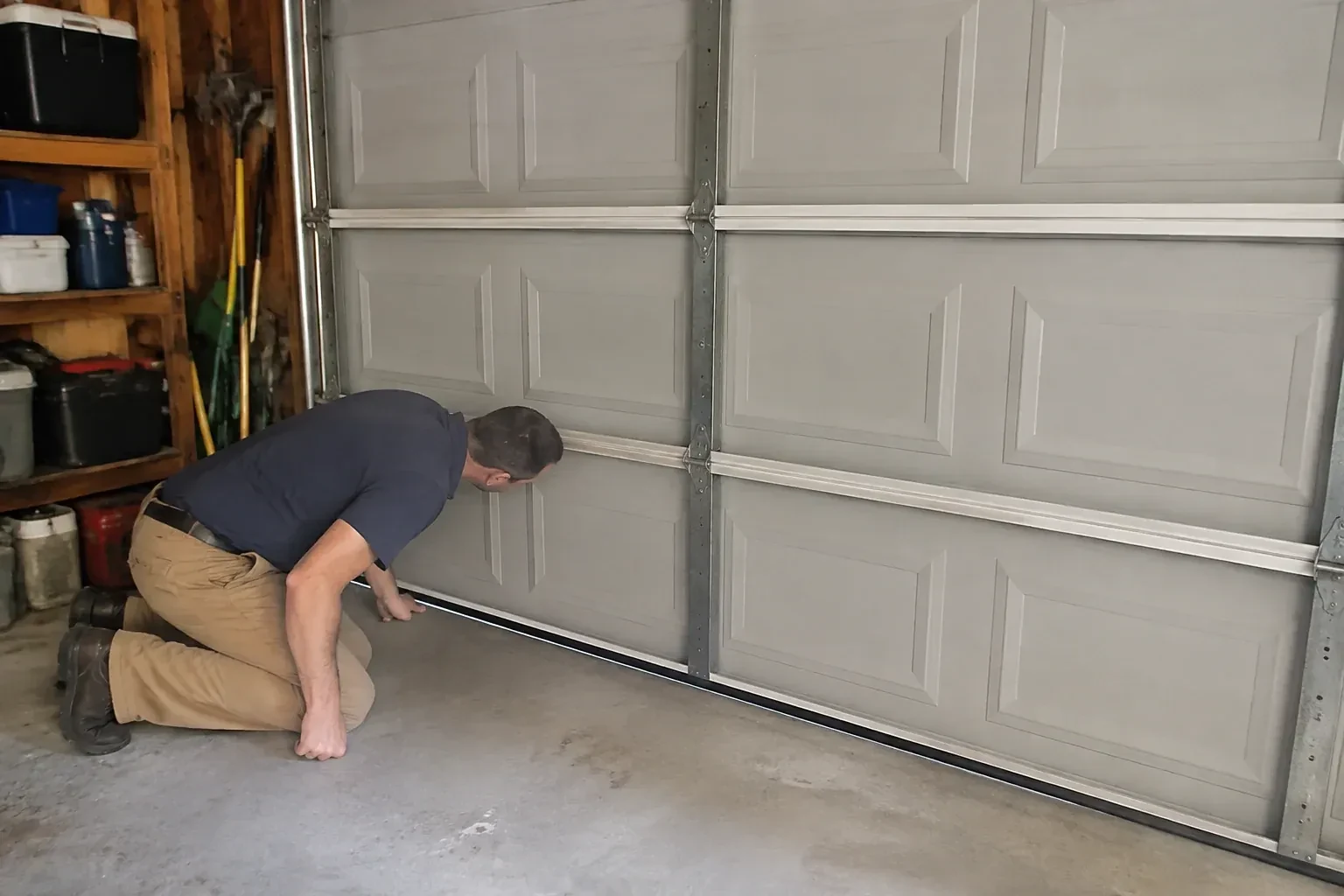
Not always. The rubber may simply be worn, but a bent retainer, uneven floor, crooked door or impact-damaged bottom section can produce the same gap. The technician checks how the door lands before replacing material. Correcting level or retainer shape first allows the new seal to contact evenly without being stretched to compensate for another fault.
What makes a rolling door different from a sectional overhead door?
A rolling door uses interlocking slats or a flexible sheet that coils around a barrel above the opening. A sectional door uses hinged panels that travel along horizontal or vertical tracks. Their guides, counterbalance arrangements, clearances and repair parts differ, so identifying the construction before service is an important first step.
Request a visit
Businesses in Oakville get the same technicians as households, with a schedule built around the hours the door has to be open. We arrive with commercial springs and operator parts, do the noisy work when it disturbs the fewest people, and leave a written note of what was done and what to watch for.